
In today's industrial landscape, workplace safety is not just a moral imperative but also a legal and financial necessity. Advanced gas detectors have emerged as indispensable tools in safeguarding employees and ensuring that workplaces comply with stringent safety regulations. These sophisticated devices play a pivotal role in preventing accidents, protecting human health, and maintaining the smooth operation of various industries.
The Growing Need for Workplace Safety Compliance
Stringent Regulatory Requirements
Governments around the world have implemented increasingly strict safety regulations to protect workers from the dangers associated with hazardous gases. Industries such as oil and gas, mining, chemical manufacturing, and wastewater treatment are particularly at risk due to the presence of flammable, toxic, or asphyxiating gases. Non - compliance with these regulations can result in severe penalties, including hefty fines, shutdowns, and even criminal charges. For example, in the United States, the Occupational Safety and Health Administration (OSHA) sets specific permissible exposure limits (PELs) for various gases in the workplace. Employers are legally obligated to monitor gas levels and take appropriate measures to ensure that they do not exceed these limits.
Health and Safety Risks to Workers
Exposure to hazardous gases can have immediate and long - term health consequences for workers. Gases like carbon monoxide (CO), hydrogen sulfide (H₂S), and benzene are common in industrial settings and can cause a range of health problems, from headaches, dizziness, and nausea to more serious conditions such as respiratory failure, neurological damage, and cancer. In confined spaces, such as tanks, sewers, and mining tunnels, the risk of gas - related accidents is even higher due to the potential for gas buildup. Advanced gas detectors are essential for early detection of these gases, allowing workers to evacuate the area or take corrective actions before harm occurs.
Economic and Reputational Costs of Accidents
In addition to the human toll, gas - related accidents can have significant economic and reputational costs for companies. Accidents can lead to property damage, production downtime, and increased insurance premiums. Moreover, a single major accident can tarnish a company's reputation, making it difficult to attract customers, investors, and skilled employees. By investing in advanced gas detectors, companies can demonstrate their commitment to safety and reduce the likelihood of costly accidents.
Features and Capabilities of Advanced Gas Detectors
High Sensitivity and Accuracy
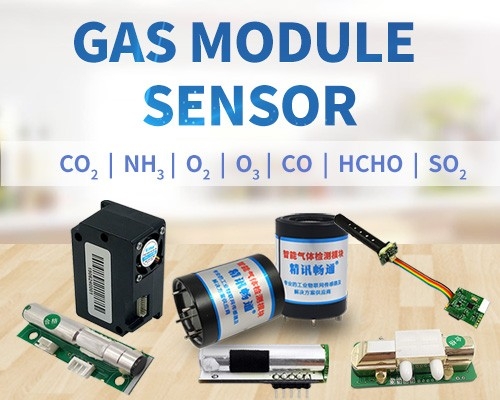
Advanced gas detectors are designed with high - precision sensors that can detect even trace amounts of hazardous gases. These sensors use a variety of technologies, such as electrochemical, catalytic bead, infrared, and photoionization detection (PID). Electrochemical sensors are particularly effective at detecting toxic gases like CO and H₂S, while infrared sensors are well - suited for measuring flammable gases such as methane and propane. The high sensitivity and accuracy of these sensors ensure that gas leaks are detected early, giving workers enough time to respond.
Multi - Gas Detection
Many advanced gas detectors are capable of detecting multiple gases simultaneously. This is especially important in industrial environments where a variety of gases may be present. For example, in a chemical plant, workers may be exposed to toxic gases like chlorine and ammonia, as well as flammable gases like ethylene. A multi - gas detector can monitor all of these gases at once, providing a comprehensive picture of the air quality in the workplace.
Wireless Connectivity and Real - Time Monitoring

One of the most significant advancements in gas detection technology is the integration of wireless connectivity. Advanced gas detectors can transmit data wirelessly to a central monitoring system, allowing safety managers to monitor gas levels in real - time from a remote location. This real - time monitoring capability enables quick response to gas leaks, as alerts can be sent immediately to workers and supervisors when gas levels exceed safe thresholds. Additionally, wireless connectivity allows for the integration of gas detectors with other safety systems, such as ventilation controls and emergency shutdown systems.
User - Friendly Interface and Data Logging
Modern gas detectors feature user - friendly interfaces with large, easy - to - read displays that show gas levels, alarm status, and battery life. Some detectors also have built - in audible and visual alarms that provide clear warnings to workers in the event of a gas leak. In addition to real - time monitoring, many advanced gas detectors have data logging capabilities. They can store historical gas level data, which can be used for trend analysis, compliance reporting, and incident investigation. This data can help companies identify potential gas hazards, improve their safety procedures, and demonstrate compliance with regulations.
Rugged Design and Long Battery Life
Workplaces can be harsh environments, with exposure to dust, moisture, extreme temperatures, and physical impacts. Advanced gas detectors are designed to withstand these conditions, with rugged enclosures that protect the sensors and electronics. They also have long battery lives, ensuring that they can operate for extended periods without the need for frequent battery changes. This is particularly important in remote or hard - to - reach areas where access to power sources may be limited.
Applications of Advanced Gas Detectors in Different Industries
Oil and Gas Industry
The oil and gas industry is one of the most hazardous sectors when it comes to gas exposure. Workers are exposed to a variety of gases during drilling, production, refining, and transportation processes. Advanced gas detectors are used to monitor for flammable gases like methane, which can cause explosions, and toxic gases like hydrogen sulfide, which is highly toxic even at low concentrations. In offshore oil rigs, gas detectors are installed throughout the platform to ensure the safety of workers in the event of a gas leak. They are also used in pipelines to detect leaks and prevent environmental disasters.
Mining Industry
Mining operations, especially underground mines, are at high risk of gas - related accidents. Gases such as methane, carbon dioxide, and carbon monoxide can accumulate in mine shafts, posing a serious threat to miners. Advanced gas detectors are an essential part of mine safety systems. They are used to continuously monitor gas levels in the mine and trigger alarms when levels exceed safe limits. Some detectors are also equipped with location - tracking capabilities, allowing rescue teams to quickly locate miners in the event of an emergency.
Chemical Manufacturing Industry
Chemical manufacturing plants handle a wide range of hazardous chemicals, many of which are in gaseous form. Advanced gas detectors are used to monitor for toxic and flammable gases throughout the production process, from raw material storage to finished product packaging. They help prevent chemical spills, explosions, and worker exposure to harmful substances. In addition, gas detectors are used in confined spaces within chemical plants, such as storage tanks and reactors, to ensure the safety of maintenance workers.
Wastewater Treatment Industry
Wastewater treatment facilities produce a variety of gases, including methane, hydrogen sulfide, and ammonia. These gases can be flammable, toxic, and corrosive, posing a risk to workers and the environment. Advanced gas detectors are installed in treatment plants to monitor gas levels in different areas, such as sewage tanks, digestion chambers, and pumping stations. They help ensure that workers are not exposed to dangerous gas concentrations and that the plant operates safely and efficiently.
Case Studies: Real - World Impact of Advanced Gas Detectors
Oil Refinery Success Story
A large oil refinery in the Middle East was facing challenges in complying with local safety regulations and ensuring the safety of its workers. The refinery had a history of gas leaks, which had resulted in near - miss incidents and increased the risk of a major accident. To address these issues, the refinery installed advanced multi - gas detectors with wireless connectivity throughout the facility. The detectors were able to detect a variety of gases, including hydrogen sulfide, benzene, and flammable hydrocarbons, in real - time. The wireless connectivity allowed safety managers to monitor gas levels from a central control room and receive immediate alerts when levels exceeded safe thresholds. As a result of implementing the advanced gas detection system, the refinery was able to significantly reduce the number of gas leaks, improve worker safety, and demonstrate compliance with safety regulations.
Mining Company Rescue Operation
In a coal mine in Australia, a gas detector equipped with location - tracking capabilities played a crucial role in a rescue operation. During a routine shift, an underground explosion occurred, trapping several miners. The gas detectors installed in the mine detected high levels of carbon monoxide and methane, triggering alarms throughout the facility. Rescue teams used the location data from the gas detectors to quickly locate the trapped miners and determine the safest route for the rescue operation. Thanks to the advanced gas detection technology, all of the trapped miners were successfully rescued, and the potential for a secondary explosion was minimized.
Future Trends in Advanced Gas Detectors
Integration with the Internet of Things (IoT)
The future of gas detection lies in the integration of advanced gas detectors with the Internet of Things. By connecting gas detectors to the IoT, companies can create a more comprehensive and intelligent safety network. Gas level data from multiple detectors can be aggregated and analyzed in real - time, providing insights into gas trends and potential hazards. IoT - enabled gas detectors can also be integrated with other smart devices, such as wearable technology and drones, to enhance worker safety and emergency response capabilities.
Artificial Intelligence and Machine Learning Applications
Artificial intelligence (AI) and machine learning (ML) algorithms are being increasingly used in gas detection technology. These algorithms can analyze large amounts of gas level data to identify patterns, predict gas leaks, and optimize sensor calibration. For example, AI - powered gas detectors can learn the normal gas levels in a specific work environment and detect anomalies that may indicate a potential gas leak. ML algorithms can also be used to improve the accuracy of gas detection by adjusting sensor sensitivity based on environmental conditions.
Wearable Gas Detectors
Wearable gas detectors are an emerging trend in the industry. These compact, lightweight devices can be worn by workers, providing them with continuous gas monitoring on the go. Wearable detectors can be integrated with other personal protective equipment (PPE) and communicate with a central monitoring system via wireless technology. They offer increased mobility and real - time alerts directly to the worker, enhancing their safety in hazardous environments.
Conclusion
Advanced gas detectors have revolutionized workplace safety compliance in various industries. Their high sensitivity, multi - gas detection capabilities, wireless connectivity, and user - friendly features make them essential tools for preventing gas - related accidents, protecting worker health, and ensuring compliance with safety regulations. As industries continue to face new safety challenges and technological advancements emerge, the role of advanced gas detectors will only become more important. By investing in these cutting - edge devices, companies can create a safer work environment, reduce the risk of accidents, and safeguard their most valuable asset - their employees.