
Introduction
In industrial settings, firefighting, emergency response, and environmental monitoring, invisible threats often pose the greatest danger. Toxic vapors, explosive gases, and oxygen-deficient atmospheres can incapacitate workers or trigger catastrophic events within moments. This is where the Portable Gas Detector becomes an indispensable lifeline. More than just an instrument, it is a critical piece of personal protective equipment (PPE) designed to provide real-time, on-the-move analysis of atmospheric hazards. From confirming the safety of a confined space before entry to pinpointing a leak along a vast pipeline, these handheld guardians empower individuals to make informed decisions, ensuring their safety and the security of operations. This article delves into the core technologies, diverse applications, and key selection criteria that define modern portable gas detection.

Core Sensing Technologies: The Heart of Detection
The performance and suitability of a portable gas detector are fundamentally determined by its sensor technology. Each type excels in detecting specific classes of gases under particular conditions.
- Catalytic Combustion (Catalytic Bead) Sensors: A mainstay for detecting combustible gases like methane, propane, and hydrogen. They detect combustibles by measuring the resistance change from flameless catalytic combustion, displayed as %LEL.While robust and directly linked to explosion risk, they are prone to permanent catalyst poisoning (e.g., by silicone or lead).Many dedicated combustible gas detectors, such as the RIKEN KEIKI GP-1000 or the XP-3360II, rely on this proven technology.
- Electrochemical Sensors: The primary choice for detecting a wide range of toxic gases (e.g., carbon monoxide, hydrogen sulfide, chlorine) and oxygen levels. These sensors generate a current when the target gas undergoes a redox reaction at an electrode. They offer excellent sensitivity at low concentrations (ppm levels), good selectivity, and low power consumption, making them ideal for personal safety monitors. Multi-gas detectors commonly use a combination of electrochemical sensors for toxics and oxygen alongside a catalytic bead for combustibles.
- Infrared (IR) Sensors: These sensors detect gases like carbon dioxide and methane by measuring the absorption of specific wavelengths of infrared light. They are highly selective, not susceptible to poisoning, and do not require oxygen to operate. While traditionally found in larger instruments, advances in MEMS technology have led to more compact IR sensors suitable for certain portable applications.
- Semiconductor (Metal Oxide) Sensors: These sensors change resistance when gas molecules adsorb onto a metal oxide surface. They are highly sensitive, low-cost, and effective for detecting a broad spectrum of gases (e.g., VOCs, methane), often in consumer-grade devices. However, they can lack specificity, be affected by humidity, and may drift over time, making them less common in life-critical industrial instruments.
Key Applications and Use Cases
Portable gas detectors are versatile tools deployed across numerous sectors to manage risk.
- Confined Space Entry: This is a paramount application. Before and during work in tanks, silos, tunnels, or manholes, a portable detector is used to check for oxygen deficiency, flammable atmospheres, and potential toxic gases, ensuring the space is safe for workers.
- Industrial Leak Detection and Monitoring: Technicians use portable detectors, often with an external pump and sampling probe, to survey gas lines, valve seals, and processing equipment for fugitive emissions. Devices like the PortaSens II are explicitly designed for pinpointing leak sources.
- Emergency Response and HAZMAT: Firefighters and first responders rely on portable multi-gas detectors to assess post-fire atmospheres, chemical spill sites, or unknown hazardous material releases, guiding evacuation and response strategies.
- Personal Safety and Area Monitoring: Workers in oil and gas, petrochemicals, utilities, and wastewater treatment carry portable detectors as part of their daily PPE to alert them to developing hazards in their immediate breathing zone.
Choosing the Right Detector: A Practical Guide
Selecting an appropriate portable gas detector requires careful consideration of several factors:
- Gas Hazards: Clearly identify all potential gases (combustible, toxic, oxygen). This dictates the sensor configuration (single-gas vs. multi-gas).
- Environment & Use Case: Consider the need for pump suction (for pre-testing confined spaces or drawing from a distance), intrinsic safety (ATEX, IECEx) for explosive atmospheres, and ruggedness (IP rating like IP65 or IP67 for dust/water resistance).
- Instrument Features: Key features include clear visual/audible/vibration alarms, data logging capability, battery life (e.g., 16-20 hours is common), display type, and ease of calibration.
- Regulatory Compliance: Ensure the instrument meets relevant national and international standards for its intended use.
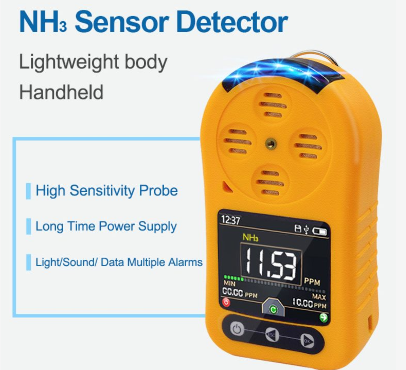
The Future of Portable Detection
The future points toward smarter, more connected devices. Integration with Internet of Things (IoT) platforms will enable real-time location tracking of personnel and gas exposure data, enhancing site-wide safety management. Advances in sensor miniaturization and wireless communication (Bluetooth, cellular) will improve data accessibility. Furthermore, the development of more robust and selective sensor technologies aims to reduce maintenance needs and increase reliability in harsh field conditions.
Conclusion
The Portable Gas Detector is a fundamental tool in the modern safety professional's arsenal. By understanding the strengths and limitations of different sensor technologies—from the combustible-specific catalytic bead to the toxic-gas-targeting electrochemical cell—users can select the right instrument for their hazard profile. Whether ensuring a safe confined space entry, hunting down a elusive leak, or protecting a worker's breathing zone, these devices provide the critical data needed to prevent injury and save lives. As technology evolves, their role will only grow, becoming more integrated into holistic digital safety ecosystems. Ultimately, investing in and correctly using a reliable portable gas detector is an undeniable investment in human life and operational integrity.