
If you work in construction, utilities, manufacturing, or any role that takes you into potentially hazardous atmospheres in the UK, you’ve likely seen or used one of these devices. The portable 4-in-1 gas detector is a compact, handheld guardian, as standard a piece of personal protective equipment (PPE) as a hard hat or hi-vis vest for countless professionals. But what exactly does it do, and why is it so crucial for safety on British job sites?
What Does "4-in-1" Actually Monitor?
As the name suggests, this single device continuously monitors the air for four critical atmospheric hazards. This specific combination has become the industry standard for a very good reason:
- Oxygen (O₂): Is there enough to breathe safely? Both oxygen deficiency (<19.5%)—common in confined spaces—and dangerous enrichment (>23.5%) are immediate threats.
- Flammable Gases and Vapours: Measured as a percentage of the Lower Explosive Limit (%LEL), it detects the risk of fire or explosion from gases like methane or petrol vapours.
- Carbon Monoxide (CO): This odourless, toxic gas is a common by-product of incomplete combustion from engines, generators, or heaters.
- Hydrogen Sulphide (H₂S): Recognisable by its "rotten egg" smell at low levels, this highly toxic gas is a key risk in sewage systems, landfills, and oil and gas work.
This quartet covers the most common and immediately dangerous threats found across a wide range of UK industries, from a builder entering a manhole to an engineer servicing a boiler.
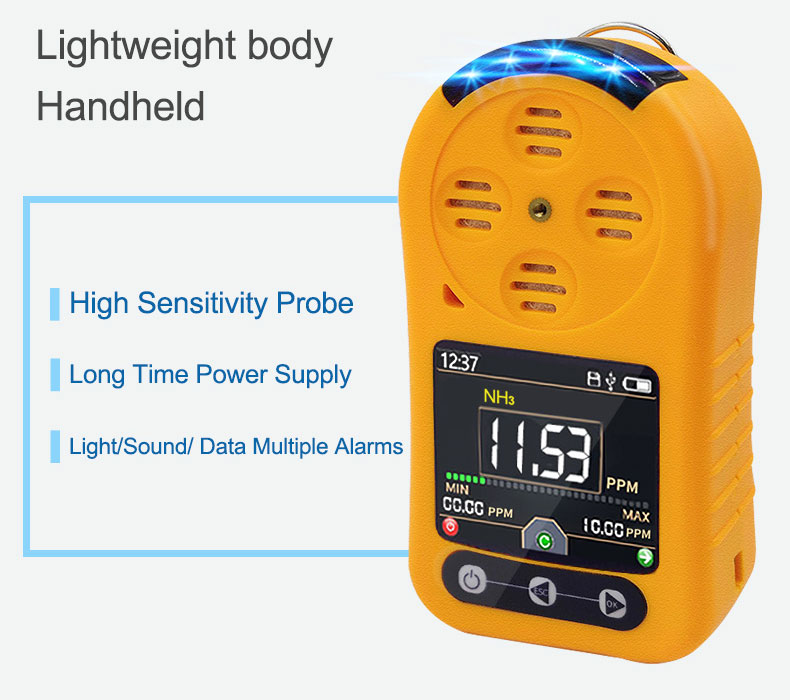
Why It's a Non-Negotiable for UK Safety
The use of these devices is deeply embedded in British health and safety culture, driven by robust regulations like the Health and Safety at Work etc. Act 1974 and the Confined Spaces Regulations 1997. Simply put, they turn invisible dangers into clear, actionable data.
Before any worker enters a confined space—a tank, silo, or underground chamber—atmospheric testing is legally required. The 4-in-1 detector provides the evidence that the environment is safe to enter. Furthermore, it offers continuous personal protection during the work, providing an early warning if conditions deteriorate due to a leak or unexpected process change.
Key Features to Look For in a Reliable Unit
When choosing or using a detector, British safety managers and workers prioritise these features:
- Robustness and IP Rating: It must withstand the tough, often wet and dusty British work environment. A high Ingress Protection (IP) rating (like IP65 or higher) is essential.
- Clear, Unmistakable Alarms: Audible and visual alarms must be loud and bright enough to be noticed on a noisy construction site. Vibrating alarms are also critical for high-noise areas.
- Intrinsically Safe Certification: For use in potentially explosive atmospheres, the device must carry ATEX or UKEX certification, proving it won't itself become an ignition source.
- Ease of Use and Maintenance: Simple, one-button operation and clear menus are vital. Regular "bump testing" (a quick functional check) and calibration are legal requirements to ensure reliability, so a straightforward process is key.
- Data Logging: The ability to record exposure data helps companies comply with regulations and monitor long-term worker safety.
Beyond the Device: A Culture of Safety
While the technology is impressive, the detector is only as effective as the person using it. Proper training is paramount. Every user must understand what the alarms mean and know the immediate escape and rescue procedures. Mandatory under PUWER, following the manufacturer's schedule for maintenance and sensor replacement is a legal duty.
In conclusion, the portable 4-in-1 gas detector is far more than just a box of electronics.It is a fundamental pillar of UK safety culture—an early-warning system that builds confidence and ensures workers return home safely.Always remember: if in doubt, don't rely on your senses—trust the readings, and get out.