
In recent years, advancements in technology have significantly transformed the landscape of home security systems. One particularly noteworthy development is the integration of innovative gas detection sensors into these systems. These sensors, equipped with cutting-edge technology, are revolutionizing the way we ensure safety within our homes by providing early detection of potentially hazardous gases. This article delves into the intricacies of these advanced gas detection sensors, their importance in enhancing home security, and the various ways they contribute to creating a safer living environment.
The Evolution of Home Security Systems
Traditional home security systems have primarily focused on detecting unauthorized entries and monitoring for intrusions. These systems typically include components such as door and window sensors, motion detectors, and security cameras. While these elements are crucial for safeguarding homes against burglaries and other forms of physical intrusion, they fall short when it comes to detecting invisible threats like toxic or combustible gases.
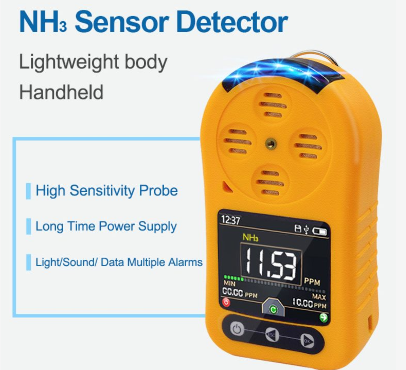
The introduction of gas detection sensors marks a significant leap forward in home security. These sensors are designed to identify and respond to the presence of various gases, including carbon monoxide (CO), natural gas (methane), propane, and other volatile organic compounds (VOCs). By integrating these sensors into home security systems, we can now provide comprehensive protection that addresses both physical and environmental threats.
The Importance of Gas Detection
Gas leaks can pose severe risks to the occupants of a home. Carbon monoxide, often referred to as the "silent killer," is a colorless, odorless gas that can cause serious health issues or even death when inhaled in high concentrations. Natural gas leaks, on the other hand, can lead to explosions and fires, causing significant property damage and endangering lives.
Early detection is crucial in mitigating the dangers associated with gas leaks. Innovative gas detection sensors are designed to provide real-time monitoring and immediate alerts, allowing homeowners to take swift action. This proactive approach can mean the difference between a minor incident and a catastrophic disaster.
Types of Gas Detection Sensors
Gas detection sensors utilize various technologies to detect different types of gases. Some of the most common sensor types include:
Electrochemical Sensors:
These sensors are highly sensitive and specific to certain gases. They work by measuring the electrical current generated when a gas reacts with a chemical in the sensor. Electrochemical sensors are particularly effective for detecting toxic gases like carbon monoxide.
Catalytic Sensors:
Catalytic sensors are commonly used for detecting combustible gases such as methane and propane. They contain a catalyst that reacts with the gas, producing heat. The sensor measures this heat to determine the gas concentration.
Photoionization Detectors (PIDs):
PIDs use ultraviolet light to ionize gas molecules, creating a current that can be measured to detect the presence of VOCs and other gases. These sensors are versatile and can detect a wide range of gases.
Infrared Sensors:
Infrared sensors detect gases by measuring the absorption of infrared radiation at specific wavelengths. They are often used in industrial settings but are also finding their way into advanced home security systems due to their accuracy and reliability.
Integration into Home Security Systems
The integration of gas detection sensors into home security systems involves several key components and processes:
Sensor Placement:
Strategic placement of sensors is critical to ensuring effective detection. Sensors should be located in areas where gas leaks are most likely to occur, such as near gas appliances, furnaces, and garages.
Connectivity:
Modern gas detection sensors are often wireless, allowing for easy installation and integration with existing home security systems. They can communicate with the central control panel via Wi-Fi, Zigbee, or other wireless protocols.
Real-Time Monitoring and Alerts
Once integrated, gas detection sensors continuously monitor the air for the presence of gases. If a hazardous level is detected, the sensor sends an immediate alert to the central control panel, which can then trigger alarms, send notifications to homeowners' smartphones, and even contact emergency services if necessary.
System Compatibility:
Many gas detection sensors are designed to be compatible with popular home automation platforms, such as Amazon Alexa, Google Home, and Apple HomeKit. This compatibility allows for seamless integration with other smart home devices, enhancing the overall functionality and convenience of the security system.
Benefits of Innovative Gas Detection Sensors
The incorporation of innovative gas detection sensors into home security systems offers numerous benefits:
Enhanced Safety:
By providing early detection of hazardous gases, these sensors significantly reduce the risk of health issues, fires, and explosions.
Peace of Mind:
Knowing that your home is equipped with advanced gas detection capabilities can provide homeowners with greater peace of mind, allowing them to focus on enjoying their living space without constant worry.
Cost-Effective:
Early detection can prevent costly repairs and damages associated with gas leaks. By addressing issues promptly, homeowners can avoid more extensive and expensive problems down the line.
Compliance:
In some regions, the installation of carbon monoxide detectors is mandatory. Innovative gas detection sensors not only meet these regulatory requirements but often exceed them in terms of functionality and reliability.
Smart Home Integration:
The ability to integrate gas detection sensors with other smart home devices enhances the overall smart home experience, providing a more cohesive and convenient living environment.
Future Trends and Innovations
The field of gas detection technology is continuously evolving. Future trends and innovations are likely to include:
Artificial Intelligence (AI) and Machine Learning:
AI and machine learning algorithms can be used to analyze sensor data more accurately, improving detection capabilities and reducing false alarms.
Internet of Things (IoT) Connectivity:
As IoT technology advances, gas detection sensors will become even more interconnected, allowing for more seamless integration with other smart home devices and systems.
Miniaturization:
Advances in sensor technology are leading to smaller and more compact designs, making it easier to install sensors in discreet locations without compromising their effectiveness.
Enhanced Durability and Longevity:
Future sensors will be designed to withstand harsher environments and have longer lifespans, reducing the need for frequent replacements.
Multi-Gas Detection:
Sensors capable of detecting multiple gases simultaneously will become more prevalent, providing comprehensive protection against a wider range of hazards.
Conclusion
Innovative gas detection sensors are transforming home security systems by providing an additional layer of protection against invisible threats. By detecting hazardous gases early, these sensors can prevent serious health issues, fires, and explosions, ultimately enhancing the safety and well-being of homeowners. As technology continues to advance, we can expect even more sophisticated and integrated gas detection solutions that further improve the functionality and convenience of home security systems. Investing in these advanced sensors is a wise decision that can provide peace of mind and ensure that your home remains a safe haven for you and your family.