
In the vast and intricate world of industrial operations, where massive machinery roars to life and complex processes unfold, there exists a silent guardian that often goes unnoticed until a crisis is averted. Gas sensors, these unassuming devices, are the unsung heroes in preventing industrial gas - related accidents. They play a pivotal role in safeguarding workers' lives, protecting valuable equipment, and ensuring the smooth and safe functioning of industrial facilities.
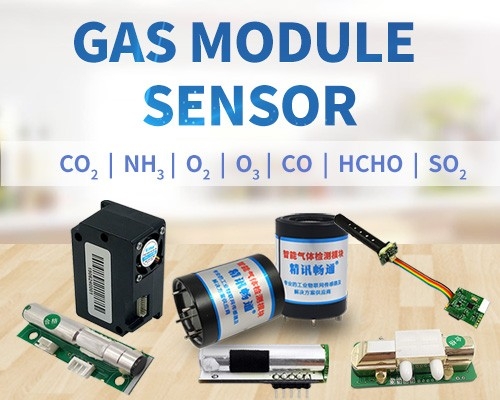
The Hidden Dangers of Industrial Gases
Industrial environments are replete with a wide array of gases, some of which are essential for production processes, while others are by - products that can pose significant risks. Flammable gases, such as methane, propane, and hydrogen, are commonly used in industries like oil and gas, chemical manufacturing, and power generation. A small spark or an ignition source in the presence of a high concentration of these gases can lead to catastrophic explosions, resulting in loss of life, extensive property damage, and long - term business disruptions.
Toxic gases, including carbon monoxide, hydrogen sulfide, ammonia, and chlorine, are also prevalent in various industrial settings. Exposure to these gases, even at low levels, can have severe health consequences for workers, ranging from respiratory problems and neurological damage to, in extreme cases, death. Moreover, some toxic gases are odorless and colorless, making them particularly dangerous as workers may not be aware of their presence until it is too late.
In addition to flammable and toxic gases, asphyxiating gases like carbon dioxide and nitrogen can displace oxygen in confined spaces, leading to oxygen deficiency. Workers entering such spaces without proper monitoring can quickly succumb to asphyxiation, a silent and deadly threat.
The Role of Gas Sensors in Early Detection
Gas sensors act as the first line of defense against these hidden dangers by enabling early detection of gas leaks and abnormal gas concentrations. These sensors are designed to detect specific gases with high sensitivity and accuracy, often capable of measuring gas levels in parts per million (ppm) or even parts per billion (ppb).
When a gas sensor detects a gas concentration that exceeds a pre - set threshold, it triggers an alarm. This alarm can take various forms, such as audible alarms, visual indicators, or even alerts sent to the mobile devices of safety personnel. The early warning provided by gas sensors allows workers to evacuate the area immediately, don appropriate personal protective equipment (PPE), and take necessary measures to contain the gas leak and prevent an accident from escalating.
For example, in a chemical plant where toxic gases are handled, gas sensors placed strategically around the facility can detect even the slightest leak of a harmful gas. As soon as the sensor detects an increase in gas concentration, it sounds an alarm, alerting workers to the danger. This gives them enough time to follow the established emergency procedures, such as shutting down the affected equipment, activating ventilation systems, and notifying emergency services if necessary.
Types of Gas Sensors and Their Applications
There are several types of gas sensors, each with its own unique sensing principle and application areas.
Electrochemical Sensors
Electrochemical sensors are widely used for detecting toxic gases. They work based on the principle of an electrochemical reaction between the target gas and the sensor's electrodes. When the gas comes into contact with the sensor, it undergoes a chemical reaction that generates an electrical current proportional to the gas concentration. These sensors are known for their high sensitivity, selectivity, and long - term stability. They are commonly used in industries such as mining, wastewater treatment, and laboratory settings to detect gases like carbon monoxide, hydrogen sulfide, and chlorine.
Semiconductor Sensors
Semiconductor gas sensors rely on the change in electrical resistance of a semiconductor material when exposed to a target gas. These sensors are relatively inexpensive, compact, and have a fast response time. They are suitable for detecting a wide range of gases, including flammable gases like methane and propane. However, they may be less selective compared to electrochemical sensors and can be affected by environmental factors such as temperature and humidity. Semiconductor sensors are often used in residential and commercial gas detection systems, as well as in some industrial applications where cost - effectiveness is a priority.
Catalytic Combustion Sensors
Catalytic combustion sensors are specifically designed to detect flammable gases. They operate on the principle of catalytic combustion, where the target gas is burned in the presence of a catalyst, generating heat that changes the resistance of a wire element in the sensor. This change in resistance is then measured and converted into a gas concentration reading. Catalytic combustion sensors are highly sensitive to flammable gases and are widely used in industries such as oil and gas, petrochemicals, and mining to monitor for potential explosion hazards.
Infrared Sensors
Infrared gas sensors use the principle of infrared absorption to detect gases. Each gas has a unique infrared absorption spectrum, and by measuring the amount of infrared radiation absorbed by the gas, the sensor can determine its concentration. Infrared sensors are highly selective, accurate, and immune to poisoning, making them suitable for detecting hydrocarbon gases, carbon dioxide, and other gases in harsh industrial environments. They are commonly used in applications where high precision and reliability are required, such as in natural gas pipelines and industrial boilers.
Gas Sensors in Confined Spaces
Confined spaces in industrial facilities, such as tanks, silos, pits, and tunnels, pose a particularly high risk of gas - related accidents. These spaces often have limited ventilation, allowing gases to accumulate to dangerous levels. Gas sensors are essential in confined space entry procedures to ensure the safety of workers.
Before entering a confined space, workers must use portable gas sensors to test the air quality. These sensors can detect multiple gases simultaneously, providing a comprehensive assessment of the space's safety. If the sensors detect hazardous gas levels, the space must be properly ventilated, and re - testing must be carried out until the gas concentrations are within safe limits. Additionally, continuous gas monitoring is required during the confined space work to detect any sudden changes in gas levels that may occur due to unforeseen circumstances.
The Importance of Regular Maintenance and Calibration
For gas sensors to function effectively and reliably, regular maintenance and calibration are crucial. Over time, sensors can be affected by factors such as dust, dirt, humidity, and exposure to harsh chemicals, which can degrade their performance and accuracy.
Maintenance tasks may include cleaning the sensor surface, checking for physical damage, and replacing worn - out components. Calibration, on the other hand, involves adjusting the sensor's output to match a known gas concentration. This ensures that the sensor provides accurate readings and triggers alarms at the correct thresholds. Regular calibration intervals are specified by the sensor manufacturer and should be strictly followed to maintain the sensor's performance.
The Future of Gas Sensors in Industrial Safety
As technology continues to advance, the future of gas sensors in industrial safety looks promising. Innovations in sensor design, materials, and data processing are leading to the development of more sensitive, selective, and intelligent gas sensors.
For example, the integration of gas sensors with wireless communication technologies allows for real - time monitoring of gas levels across large industrial facilities. This enables safety managers to access gas data remotely, receive instant alerts, and make informed decisions to prevent accidents. Additionally, the use of artificial intelligence and machine learning algorithms can analyze gas sensor data over time, identifying patterns and trends that may indicate potential safety risks before they become critical.
Moreover, the development of multi - gas sensors that can detect a wide range of gases simultaneously is becoming increasingly important. These sensors simplify the monitoring process and reduce the number of individual sensors required in an industrial facility, making safety management more efficient and cost - effective.
In conclusion, gas sensors are indeed the unsung heroes in preventing industrial gas - related accidents. Their ability to detect gases early, their diverse types for different applications, and their crucial role in confined space safety make them indispensable in industrial environments. Regular maintenance and calibration ensure their continued reliability, while ongoing technological advancements promise even greater safety benefits in the future. As industries strive to create safer workplaces, gas sensors will remain at the forefront of gas detection and accident prevention, silently protecting lives and assets every day.